
Compare The Best Free RFI Tools (no templates): Streamline Your RFI Process With Free Forever RFI Software in 2026
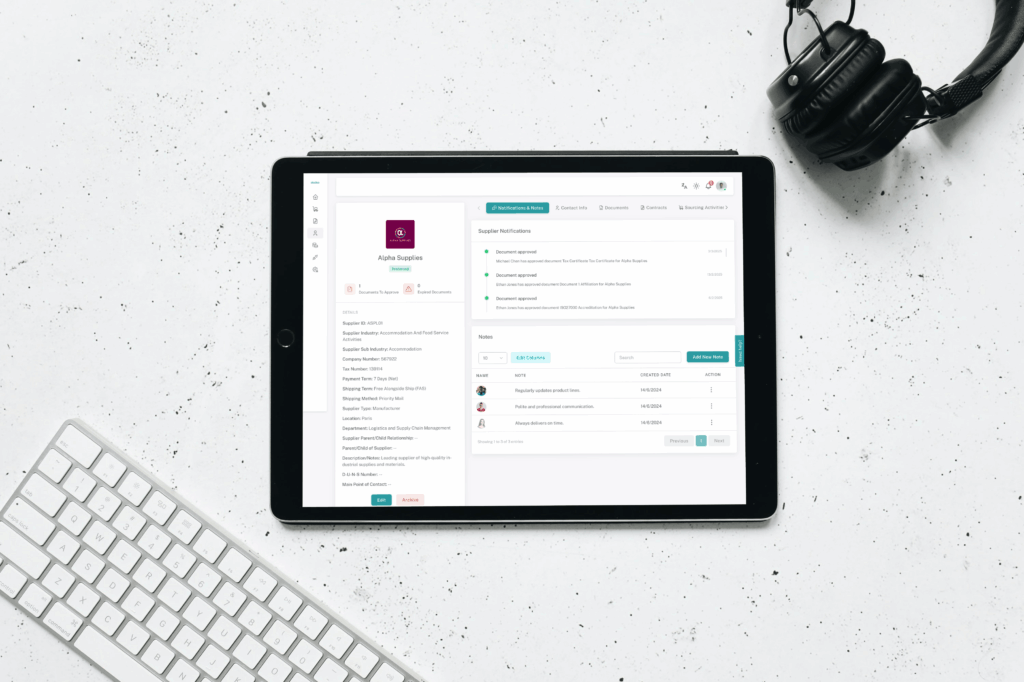
In today’s fast-paced business environment, managing the request for information (RFI) process efficiently is crucial, as it helps in reducing time-consuming tasks. Organizations are always looking to streamline their procurement process. This article will help you navigate the landscape of free RFI tools, highlighting their benefits and comparing leading options to help you enhance your project management efforts and make informed decisions.
Introduction to RFI Software
What is an RFI?
An RFI, or request for information, is a standard business process used to gather information from potential suppliers or vendors. It’s a formal way to request information that can help you assess supplier capabilities before sending out a request for quotation (RFQ) or request for proposal (RFP). Often, the RFI document helps organizations with the procurement process.
Importance of Streamlining the RFI Process
Streamlining the RFI process is critical for saving time and resources. A well-managed RFI process ensures that all stakeholders have the information they need to make informed decisions. By automating this workflow, organizations can reduce delays, improve communication, and enhance overall project efficiency within the construction process and general request information.
Benefits of Using Free RFI Tools
Free RFI tools offer numerous advantages, including cost savings and improved efficiency. These tools can automate many aspects of the RFI process, from creation to distribution and tracking. Free RFI software can streamline workflows, improve communication among stakeholders, and provide real-time visibility into the status of information requests and RFI responses.
Free RFI Template Vs Free RFI Tool
While a free RFI template can be a starting point, it often lacks the robust features of a dedicated RFI tool, which is essential for effective project management software. A template typically involves manual data entry and tracking using a spreadsheet, whereas a free RFI tool offers automation, collaboration features, and better visibility, making it easier to manage the RFI process effectively. An RFI log is a key part of that process.
Who Should Use A RFI Template?
An RFI template might be suitable for very small projects or organizations with limited resources, but it may not adequately address the complexities involved in detailed submittals for larger evaluations. If you only need to send out a few RFIs and don’t require advanced features like automated tracking and reporting, a downloadable RFI template could suffice, but it may be time-consuming for larger projects. An RFP template can also be useful in these instances, as can an RFQ template.
Who Should Use A Free RFI Tool?
Organizations dealing with complex projects or multiple RFIs should use a free RFI tool to simplify the submittal process. These tools are designed to streamline the RFI process, improve communication, and provide real-time insights. Using a free RFI tool can significantly enhance efficiency and reduce the risk of errors in the construction project and overall construction management.
What is a Free RFI Tool?
A free RFI tool is a platform designed to manage and streamline the request for information process without incurring any costs. This type of software typically includes features for creating, distributing, tracking, and analyzing RFIs, which can help in managing submittals more effectively. By using RFI software, companies can create an RFI, use RFIs, and write an RFI more efficiently, reducing the time-consuming aspects of the process.
1. oboloo
Overview and Features
oboloo offers a comprehensive, free RFI software solution designed to streamline the request for information process and enhance submittals, making it an essential tool for potential vendors. Its features include automated RFI creation, distribution, and tracking, ensuring all stakeholders are informed in real-time. This facilitates better communication and collaboration, especially in construction projects where clarity is critical, unlike a basic RFI template.
Advantages Over Traditional Templates
Unlike a free RFI template or a log template, oboloo provides a dynamic platform that automates the entire RFI process. With oboloo, users can easily create an RFI, track RFI responses, and manage information requests efficiently. This reduces the reliance on manual spreadsheets and minimizes the risk of errors, streamlining procurement.
User Experience and Customer Feedback
Users praise oboloo for its intuitive interface and ease of use, noting significant improvements in managing RFIs and the overall efficiency of submittals. Customer feedback consistently highlights the platform’s ability to enhance communication and collaboration among stakeholders, leading to faster turnaround times and better project management. The ability to use RFIs effectively is enhanced with oboloo, as it provides valuable clarification and supports the RFP process.
Cost (free-forever)
oboloo stands out by offering its full suite of RFI software features completely free forever. This eliminates the financial barriers associated with other RFI tools and provides organizations of all sizes access to powerful RFI management capabilities. No implementation fees, contracts, or hidden pricing; use RFIs forever at no cost.
2. Medius
Overview of the Tool
Medius is a procurement software platform that includes RFI capabilities as part of its broader suite of tools. It allows users to create RFIs, send them to suppliers, and evaluate responses. Medius aims to streamline the procurement process by integrating RFI management with other procurement activities, ensuring that all RFI’s are efficiently processed for better evaluation criteria. Construction RFIs may be created but are not a core focus, as the emphasis is on more comprehensive project management tools.
Flaws and Limitations
While Medius offers a range of features, it is not specifically designed as a dedicated RFI tool. Users have reported that the RFI functionality can be less intuitive compared to specialized platforms, and the customization options may be limited, impacting the quality of submittals. Using a Medius RFI tool may not be as efficient as other tools on the market.
Pricing Transparency Issues
Medius is not free RFI software, and its pricing structure can be complex. Potential users often need to contact sales for a quote, and the total cost can vary depending on the specific modules and the number of users, but you can download our free RFI software to get started. This lack of transparency can make it difficult for organizations to budget effectively for the software, since they are unable to download a free RFI or RFP template.
3. eSourcing.com
Key Features and Offerings
eSourcing.com provides RFI software solutions designed to streamline the procurement process. Key features include automated RFI creation, distribution, and tracking, which help to enhance project management and streamline the submittal process. The platform also offers tools for supplier management and bid analysis, ensuring a comprehensive approach to sourcing. The goal is to automate workflows and improve efficiency, reducing the time-consuming nature of traditional RFI processes.
Comparison with Free Options
While eSourcing.com offers robust features, it is not free RFI software. Organizations looking for cost-effective solutions might find the pricing structure prohibitive, especially when compared to free RFI template options. The platform’s advanced capabilities may be overkill for smaller projects that could benefit from a simple, free RFI template. The difference being the request for information.
User Reviews and Experiences
User reviews often highlight the platform’s comprehensive features and robust support, making it an invaluable resource for general contractors. However, some users mention that the interface can be complex, and the learning curve may be steep. Additionally, the lack of a free RFI option is a common point of concern for smaller businesses with budget constraints and the need to write an RFI. The lack of use of RFI at no cost is a hindrance, particularly when companies could benefit from improved clarification and efficiency.
Best Practices for Using Free RFI Tools
How to Effectively Use a Free RFI Tool
To effectively use a free RFI tool, start by clearly defining your project requirements and the information you need from potential suppliers. Ensure that your request for information is concise and well-structured. Utilize the tool’s features to track responses and communicate with stakeholders, streamlining the overall RFI process. An RFI log is a key part of that process.
Basic Elements to Include in a Free RFI Tool
Here’s what to consider when selecting a free RFI tool. It should include essential elements, such as:
- Automated RFI creation
- Customizable templates
- Real-time tracking
The tool should also facilitate easy communication with suppliers and provide a centralized dashboard for managing all RFI responses. Features to generate reports and analytics can further enhance project management and improve decision-making and allow you to use RFI.
Managing the RFI Process Efficiently
Efficiently managing the RFI process involves setting clear deadlines, promptly responding to supplier inquiries, and providing constructive feedback. Regularly monitor the status of outstanding RFIs and use the tool’s reporting features to identify bottlenecks and areas for improvement. Effective management ensures that the RFI process supports timely and informed decision-making throughout the procurement process, unlike just a downloadable RFI.
oboloo – The free forever RFI Software
Is oboloo’s Free RFI Tool really free forever?
Yes, oboloo’s procurement RFI software is genuinely free forever, allowing for unlimited use of RFI’s without cost. Unlike other platforms that offer limited free trials or require upgrades for full functionality, oboloo provides its complete suite of RFI features at no cost, ensuring that organizations of all sizes can benefit from streamlined RFI management without financial barriers. Downloadable RFI templates have nothing on oboloo, especially when it comes to effective management of RFI’s and submittals.
How long does it take to implement oboloo’s Free RFI Tool?
Implementing oboloo’s RFI software is quick and straightforward. The platform is designed for ease of use, allowing users to get started within minutes. There’s no need for extensive training or complex configurations, making it an ideal solution for organizations looking to streamline their RFI process without significant downtime. Ditch your log template.
Are there any setup or implementation fees?
No, there are absolutely no setup or implementation fees associated with oboloo. The platform is committed to providing a completely free RFI software solution, ensuring that users can access all features without hidden costs or surprise charges. This transparency makes oboloo an attractive option for businesses seeking cost-effective RFI management to write an RFI.
How do I get a free forever oboloo account?
Getting a free forever oboloo account is easy. Simply visit the oboloo website and sign up for an account. Once registered, you can immediately start using the platform’s RFI features to streamline your request for information process and improve communication with stakeholders. Begin to use RFI easily, with no costs involved, and automate everything.
Conclusion
Summary of Free RFI Tools
In summary, selecting the right free RFI tool involves carefully weighing the features, benefits, and limitations of each option. oboloo stands out with its comprehensive, free-forever RFI software, providing robust features without any hidden costs. While other options like Medius and eSourcing.com offer RFI capabilities, they often come with implementation fees and complex pricing structures, unlike a free RFI template that helps streamline the evaluation criteria.
Final Recommendations
For organizations seeking a truly free and effective RFI solution to streamline their procurement process, oboloo is the top recommendation. Its intuitive interface, comprehensive features, and commitment to a free-forever model make it an ideal choice for managing requests for information efficiently, providing clarification when needed. Avoid basic spreadsheets or a downloadable RFI template and use RFI with oboloo’s automation to improve the efficiency of submittals.
FAQ Section
What is the purpose of an RFI?
The primary purpose of a request for information (RFI) is to gather information from potential suppliers or vendors, aiding in the evaluation criteria for future RFPs. It helps organizations assess capabilities, understand available solutions, and refine requirements before issuing a request for proposal (RFP) or request for quotation (RFQ), ensuring thorough evaluation criteria. Use RFI to write an RFI effectively and manage construction RFIs.
How do free RFI tools compare to paid options?
Free RFI tools offer cost savings and essential features for managing the request for information process. While paid options may provide advanced functionalities and dedicated support, free tools like oboloo can effectively streamline workflows and improve communication for many projects. Paid options often include implementation fees, unlike free RFI template software, which may not provide the necessary clarification for complex projects.
Can I rely solely on free RFI tools for my projects?
Yes, you can rely solely on free RFI software, especially if it meets your project’s specific needs, but consider the benefits of using an essential tool for enhanced functionality. oboloo, for example, provides a comprehensive suite of features at no cost, making it suitable for managing various requests for information without incurring expenses. However, always assess whether the tool’s capabilities align with your requirements.
How long should vendors have to respond to an RFI?
The response time for a request for information should be reasonable and clearly communicated to vendors. Typically, a timeframe of one to two weeks is appropriate, allowing vendors sufficient time to gather and present the requested information for the evaluation criteria. Adjust the timeline based on the complexity of the request and the number of questions. The RFI log should be updated frequently.
Estimate, Bid, Quote, or Proposal: What’s the Difference?
An estimate is a preliminary cost assessment, and a proposal is a detailed plan addressing project requirements. Each serves a different purpose in the procurement process, with an RFI often preceding the RFP or RFQ to gather essential information from potential suppliers. Streamline the RFI process to enhance outcomes.
| Document | Description |
|---|---|
| Bid | A competitive offer can be enhanced by using management templates that ensure all necessary information is gathered. |
| Quote | A fixed price for specific services can often be established through the RFI process, ensuring clear evaluation criteria are met, which is vital for managing expectations with potential vendors. |
How many questions should an RFI include?
The number of questions in a request for information should be concise and focused on gathering essential information, helping to create a shortlist of qualified vendors throughout the construction phase. Aim for quality over quantity, asking only relevant questions that help evaluate supplier capabilities and solutions. Too many questions can overwhelm vendors and lead to less detailed responses, making evaluation challenging with just a downloadable RFI.
RFI, RFP, RFQ, and RFT: What’s the Difference?
RFI (request for information) gathers information, RFP (request for proposal) solicits detailed solutions, RFQ (request for quotation) seeks pricing for specific items, and RFT (request for tender) is common in government procurement for bids on projects. Each is used at different stages to streamline the procurement process and select the best supplier using an RFI template.
| Request Type | Purpose |
|---|---|
| RFI (Request for Information) serves as a critical tool in the procurement process, especially when evaluating subcontractors and establishing a shortlist. | Gathers information efficiently, helping potential vendors understand project requirements better. |
| RFP (Request for Proposal) is often used in conjunction with RFIs to establish clear evaluation criteria for potential suppliers. | Solicits detailed solutions |
What is Free RFI Tool?
Free RFI software is a platform designed to manage and streamline the request for information process without incurring any costs. This type of software typically includes features for creating, distributing, tracking, and analyzing RFIs. By using free RFI software, companies can improve communication, enhance efficiency, and make more informed decisions during construction projects.
What is an RFI Template?
An RFI template is a pre-designed document that provides a standardized format for creating a request for information. It typically includes sections for project details, questions, and response guidelines, ensuring clarity in the evaluation criteria. While templates can be useful for quickly creating RFIs, they often lack the advanced features of dedicated RFI software, making streamlined procurement more difficult.